

In the realm of industrial automation, finger slide cylinders play a crucial role in a wide range of applications, from material handling to assembly processes. As a supplier of finger slide cylinders, I often encounter inquiries about the differences between single - acting and double - acting finger slide cylinders. Understanding these differences is essential for customers to make informed decisions when selecting the most suitable cylinder for their specific needs.
Single - Acting Finger Slide Cylinders
Single - acting finger slide cylinders are designed to operate with the assistance of a single air supply. In these cylinders, the compressed air is used to perform one of the two primary functions: either opening or closing the fingers. The return motion is typically achieved through a mechanical spring.
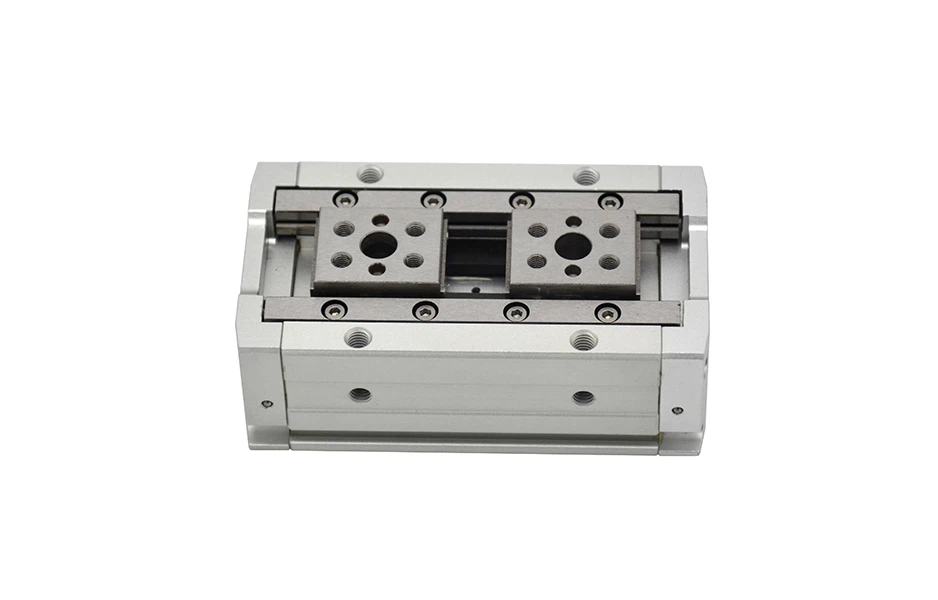
One of the main advantages of single - acting finger slide cylinders is their simplicity. With fewer components involved, they are generally more cost - effective compared to their double - acting counterparts. This makes them an attractive option for applications where cost is a significant factor. For example, in some low - budget assembly lines where the cycle time is not extremely critical, single - acting cylinders can provide a reliable solution.
The mechanical spring in single - acting cylinders ensures that the fingers return to their original position once the air pressure is released. This feature is particularly useful in applications where a fail - safe mechanism is required. If there is a loss of air supply, the spring will automatically return the fingers to a predefined position, preventing potential damage to the workpiece or the equipment.
However, single - acting cylinders also have some limitations. The force generated by the spring during the return stroke is often limited compared to the force generated by the compressed air during the working stroke. This can result in a slower return motion, which may not be suitable for high - speed applications. Additionally, the performance of the spring can degrade over time due to factors such as fatigue and wear, which may require periodic maintenance or replacement.

An example of a single - acting finger slide cylinder that we offer is the [MHF2 Thin Gripper Parallel](/pneumatic - cylinder/finger - slide - cylinder/mhf2 - thin - gripper - parallel.html). This product is known for its compact design and high gripping force, making it suitable for a variety of light - to - medium - duty applications.
Double - Acting Finger Slide Cylinders
Double - acting finger slide cylinders, on the other hand, use compressed air for both the opening and closing motions of the fingers. This allows for greater control and flexibility in the operation of the cylinder.
One of the key benefits of double - acting cylinders is their ability to generate equal force in both the opening and closing directions. This makes them ideal for applications where precise control of the gripping force is required, such as in delicate assembly operations or when handling fragile workpieces.
In terms of speed, double - acting cylinders can generally achieve faster cycle times compared to single - acting cylinders. Since there is no reliance on a mechanical spring for the return motion, the fingers can be opened and closed more rapidly, which is crucial in high - speed production environments.
Another advantage of double - acting cylinders is their durability. Without the need for a spring, there is less risk of mechanical failure due to spring fatigue. This results in a longer service life and reduced maintenance requirements.
However, double - acting cylinders are more complex in design and require a more sophisticated air control system. This typically leads to a higher cost compared to single - acting cylinders. Additionally, the increased complexity may require more technical expertise for installation and troubleshooting.
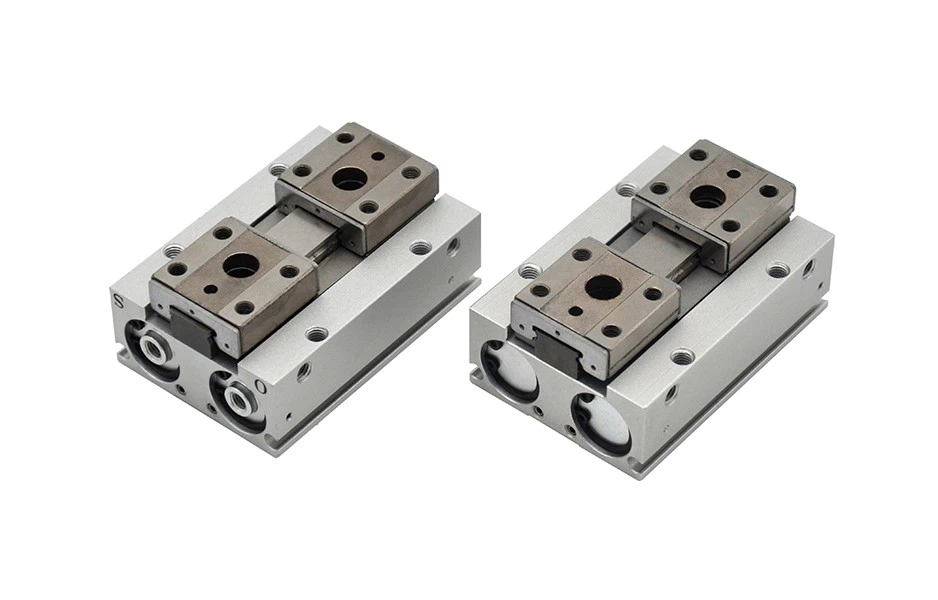
Our [HFD Series Compact Air Gripper](/pneumatic - cylinder/finger - slide - cylinder/hfd - series - compact - air - gripper.html) is a prime example of a double - acting finger slide cylinder. It offers high performance and reliability, making it a popular choice for demanding industrial applications.
Application Considerations
When choosing between a single - acting and a double - acting finger slide cylinder, several application - specific factors need to be considered.
Cost: As mentioned earlier, single - acting cylinders are generally more cost - effective. If budget is a major concern and the application does not require high - speed or precise force control, a single - acting cylinder may be the best option.
Speed: For applications with high - speed requirements, such as in automated packaging lines or high - volume assembly processes, double - acting cylinders are usually preferred due to their ability to achieve faster cycle times.
Force Requirements: If the application requires equal force in both the opening and closing directions, or if precise control of the gripping force is necessary, a double - acting cylinder is the better choice.
Fail - Safe Requirements: In applications where a fail - safe mechanism is essential, such as in safety - critical operations, single - acting cylinders with a spring - return feature can provide the necessary reliability.
Technical Specifications Comparison
Let's take a closer look at some of the key technical specifications to further understand the differences between single - acting and double - acting finger slide cylinders.
Stroke Length: Both single - acting and double - acting cylinders are available in a variety of stroke lengths. However, the choice of stroke length may be influenced by the application requirements. For example, in applications where a large gripping range is needed, a cylinder with a longer stroke length may be required.
Gripping Force: Double - acting cylinders typically offer more consistent and controllable gripping force compared to single - acting cylinders. The force generated by a single - acting cylinder during the return stroke is limited by the strength of the spring, while a double - acting cylinder can generate force in both directions using compressed air.
Operating Pressure: The operating pressure of both types of cylinders depends on the specific model and application. However, double - acting cylinders may require a more stable and higher - pressure air supply due to their more complex operation.
Maintenance and Longevity
Maintenance requirements also differ between single - acting and double - acting finger slide cylinders. Single - acting cylinders with springs may require periodic inspection and replacement of the spring to ensure proper operation. The spring can be affected by factors such as corrosion, fatigue, and overloading.
Double - acting cylinders, on the other hand, have fewer mechanical components that are prone to wear. However, they rely heavily on the air control system, which may require regular maintenance to ensure proper air flow and pressure regulation.
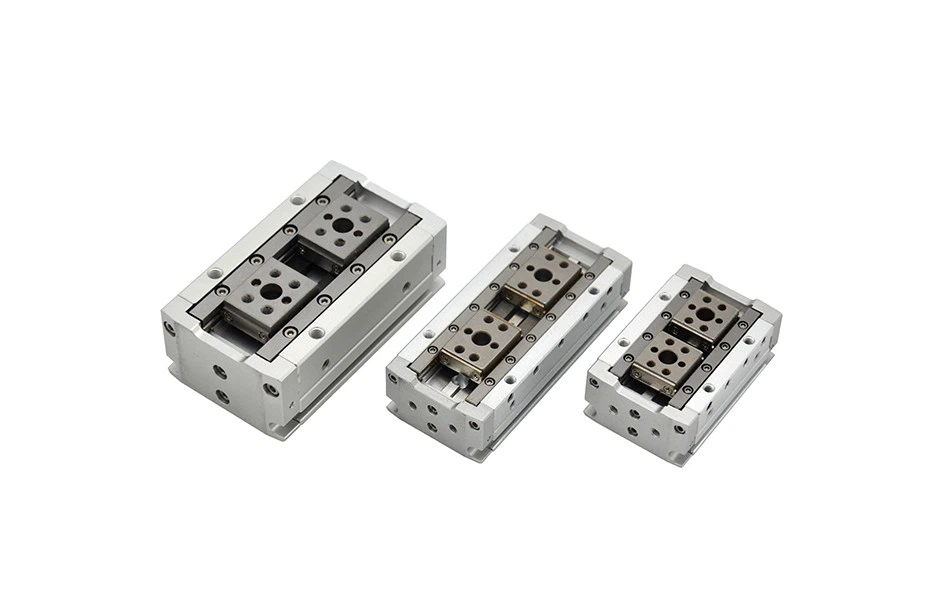
In terms of longevity, double - acting cylinders generally have a longer service life due to the absence of a spring that can degrade over time. With proper maintenance, both types of cylinders can provide reliable performance for many years.
Conclusion
In conclusion, the choice between a single - acting and a double - acting finger slide cylinder depends on a variety of factors, including cost, speed, force requirements, and fail - safe considerations. Single - acting cylinders offer simplicity and cost - effectiveness, along with a fail - safe spring - return feature. Double - acting cylinders, on the other hand, provide greater control, faster cycle times, and more consistent gripping force.
As a supplier of finger slide cylinders, we are committed to providing our customers with the best products and technical support. Whether you need a single - acting or a double - acting cylinder, we have a wide range of options to meet your specific requirements. If you are interested in learning more about our finger slide cylinders or would like to discuss your application in detail, please feel free to contact us. Our team of experts is ready to assist you in making the right choice for your industrial automation needs.
References
- Pneumatic Handbook, Parker Hannifin Corporation
- Industrial Automation: Principles and Applications, by David A. Capp