

Selecting the appropriate size of the FZ32Q floating support air cylinder is a crucial decision that can significantly impact the performance and efficiency of your pneumatic systems. As a trusted supplier of the FZ32Q floating support air cylinder, I understand the importance of making the right choice. In this blog post, I will share some key considerations and guidelines to help you choose the right size for your specific application.
Understanding the Basics of the FZ32Q Floating Support Air Cylinder
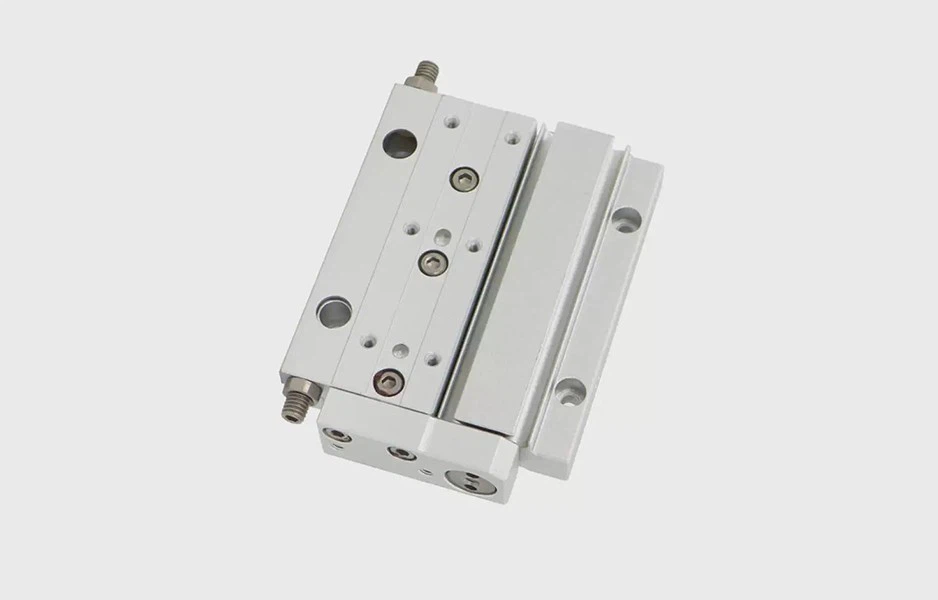
Before delving into the sizing process, it's essential to have a clear understanding of what the FZ32Q floating support air cylinder is and how it works. The FZ32Q floating support air cylinder is a type of pneumatic cylinder designed to provide support and alignment in various industrial applications. It features a floating piston design that allows for some degree of misalignment, making it ideal for applications where precise alignment is challenging.
The cylinder operates by using compressed air to generate linear motion. When air is supplied to the cylinder, it pushes the piston, which in turn moves the rod attached to it. The floating support design ensures that the cylinder can adapt to minor misalignments, reducing stress on the system and improving overall performance.
Factors to Consider When Choosing the Size
Load Requirements
One of the primary factors to consider when choosing the size of the FZ32Q floating support air cylinder is the load it needs to handle. The load can be divided into two main categories: static load and dynamic load.

- Static Load: This refers to the weight or force that the cylinder needs to support when it is at rest. It includes the weight of the object being moved, as well as any additional forces acting on the system. To determine the static load, you need to know the mass of the object and the acceleration due to gravity.
- Dynamic Load: The dynamic load takes into account the forces that occur during the operation of the cylinder, such as acceleration, deceleration, and impact forces. These forces can be significantly higher than the static load, especially in high-speed applications.
To calculate the required force for your application, you can use the following formula:
[F = m \times a]
Where:
- (F) is the force in Newtons (N)
- (m) is the mass in kilograms (kg)
- (a) is the acceleration in meters per second squared ((m/s^2))
Once you have calculated the required force, you can select a cylinder with a sufficient bore size to handle the load. The bore size of the cylinder determines the amount of force it can generate. A larger bore size will result in a higher force output, but it will also require more air consumption.
Stroke Length
The stroke length is another important factor to consider when choosing the size of the FZ32Q floating support air cylinder. The stroke length refers to the maximum distance that the piston can travel inside the cylinder. It is determined by the application requirements and the available space.
When selecting the stroke length, you need to consider the following:
- Application Requirements: Determine the maximum distance that the object needs to be moved. This will help you determine the minimum stroke length required for the cylinder.
- Available Space: Make sure that there is enough space in your system to accommodate the cylinder with the selected stroke length. Consider the overall dimensions of the cylinder, including the length of the rod when it is fully extended.
It's important to note that a longer stroke length may require a larger cylinder size, as the piston needs to have enough room to move. Additionally, a longer stroke length may also increase the air consumption and the cycle time of the cylinder.
Operating Pressure
The operating pressure is the pressure of the compressed air that is supplied to the cylinder. It plays a crucial role in determining the force output of the cylinder. The higher the operating pressure, the greater the force that the cylinder can generate.
When choosing the size of the FZ32Q floating support air cylinder, you need to consider the available operating pressure in your system. Most pneumatic systems operate at pressures between 60 and 100 psi (pounds per square inch). However, some applications may require higher or lower pressures.
It's important to select a cylinder that is rated for the operating pressure of your system. Using a cylinder with a lower pressure rating can result in insufficient force output, while using a cylinder with a higher pressure rating can lead to premature wear and damage.
Speed Requirements
The speed at which the cylinder needs to operate is another important factor to consider. The speed of the cylinder is determined by the flow rate of the compressed air and the size of the ports.
- Flow Rate: The flow rate refers to the volume of air that is supplied to the cylinder per unit of time. It is measured in cubic feet per minute (CFM) or liters per minute (LPM). A higher flow rate will result in a faster cylinder speed.
- Port Size: The port size of the cylinder determines the amount of air that can flow into and out of the cylinder. A larger port size will allow for a higher flow rate, which can increase the cylinder speed.
When selecting the size of the FZ32Q floating support air cylinder, you need to consider the speed requirements of your application. If you need a high-speed operation, you may need to choose a cylinder with a larger port size and a higher flow rate. However, it's important to note that increasing the speed of the cylinder may also increase the air consumption and the wear on the components.
Other Considerations
Mounting Options
The mounting options of the FZ32Q floating support air cylinder can also affect its performance and installation. There are several different mounting options available, including:
- Flange Mount: This type of mounting uses a flange to attach the cylinder to the mounting surface. It provides a secure and stable connection, making it suitable for applications where the cylinder needs to be mounted in a fixed position.
- Foot Mount: The foot mount uses a foot to attach the cylinder to the mounting surface. It is a simple and cost-effective mounting option, but it may not provide as much stability as the flange mount.
- Trunnion Mount: The trunnion mount uses a trunnion to attach the cylinder to the mounting surface. It allows the cylinder to pivot, making it suitable for applications where the cylinder needs to move in an arc.
When selecting the mounting option, you need to consider the application requirements and the available space. Make sure that the mounting option you choose is compatible with the cylinder size and the mounting surface.
Environmental Conditions
The environmental conditions in which the FZ32Q floating support air cylinder will operate can also affect its performance and durability. Some of the environmental factors to consider include:
- Temperature: Extreme temperatures can affect the performance of the cylinder and the seals. Make sure that the cylinder is rated for the temperature range of your application.
- Humidity: High humidity can cause corrosion and damage to the cylinder components. Consider using a cylinder with a corrosion-resistant coating or a sealed design if your application is exposed to high humidity.
- Dust and Debris: Dust and debris can enter the cylinder and cause wear and damage to the components. Use a cylinder with a dust cover or a filtration system to protect the cylinder from dust and debris.
Conclusion
Choosing the right size of the FZ32Q floating support air cylinder is a critical decision that can have a significant impact on the performance and efficiency of your pneumatic systems. By considering the load requirements, stroke length, operating pressure, speed requirements, mounting options, and environmental conditions, you can select a cylinder that is suitable for your specific application.
As a supplier of the FZ32Q floating support air cylinder, I am committed to providing high-quality products and excellent customer service. If you have any questions or need assistance in choosing the right size for your application, please feel free to contact me. I will be happy to help you make the right decision.
In addition to the FZ32Q floating support air cylinder, we also offer a wide range of other pneumatic products, such as the HFD Series Compact Air Gripper, HLF Series Slide Cylinder, and ACE Series Compact Cylinders. These products are designed to meet the diverse needs of our customers and provide reliable performance in various industrial applications.
If you are interested in learning more about our products or would like to discuss your specific requirements, please don't hesitate to reach out. We look forward to the opportunity to work with you and help you find the right pneumatic solutions for your business.
References
- Pneumatic Systems Handbook, [Publisher Name], [Year of Publication]
- Industrial Pneumatics: A Practical Guide, [Author Name], [Year of Publication]